Parents rarely announce that they need help. More often, adult children piece it together from small observations during a visit home or a phone call that did not sound quite right. None of the signs below means something is seriously wrong on its own, and any change in health should always be discussed with your parent’s doctor. But together they can tell you that a little non-medical help at home would make life easier and safer.
This guide lists the signs families on the Orange County coast most often mention when they first call us, grouped by where you are likely to notice them.
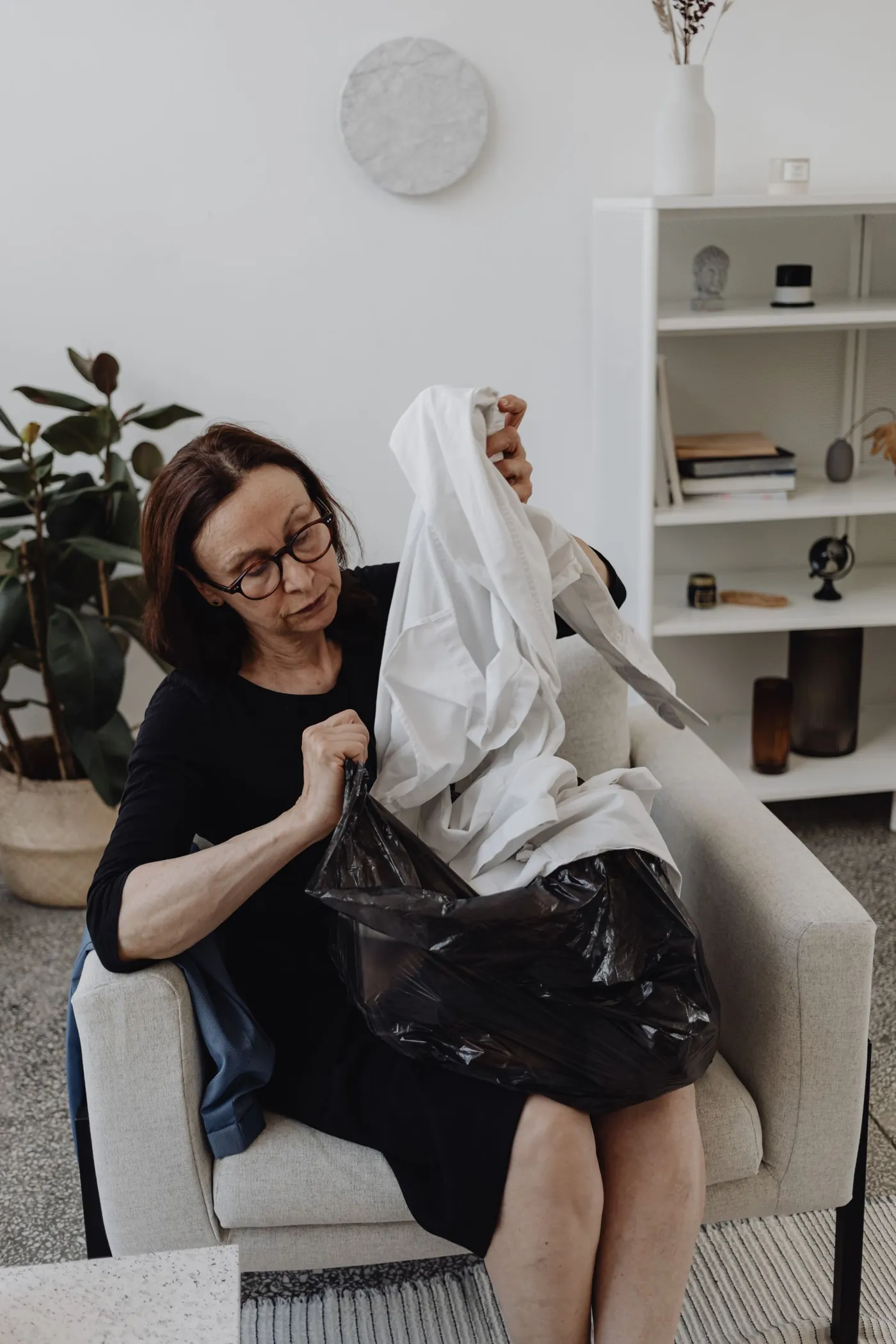
In the kitchen
The kitchen is often the first place change shows up, because cooking and shopping take planning and energy.
- A refrigerator that is nearly empty, or full of food that has quietly expired
- The same simple meal or snack eaten every day
- Burned pans, or a stove that seems to be avoided entirely
- Unopened grocery deliveries or bags left on the counter
- Weight that seems to have changed, which is worth raising with their doctor
Help here might be meal preparation a few times a week and errands assistance to keep the kitchen stocked.
Around the house
- Laundry piling up, or the same clothes worn several days in a row
- Bed linens that have not been changed in a long time
- Clutter on floors and stairs, especially in walkways
- Mail and bills stacking up unopened
- Rooms that have stopped being used, such as an upstairs bedroom
- Plants, pets, or a garden that are clearly being neglected
Small household backlogs are more than untidiness. Clutter in walkways and unused rooms often point to a home that has become harder to move through. Light housekeeping and steady support moving around the home can help.
In personal routines
- Showering or bathing less often, or avoiding the bathroom when others are around
- Hair, nails, or clothing less cared for than usual
- Sleeping at odd hours or napping late into the evening
- Confusion about the day or date, or missed appointments
- Medication bottles that seem too full or too empty for the date on the label
Bathing is often the hardest thing for a parent to admit needing help with. Personal care assistance from a calm, experienced person can be easier to accept than help from a son or daughter. For medications, medication reminders keep the schedule on track: reminders only, never administration. Any concern about memory or medication belongs with the doctor.
In mood and connection
- Less interest in hobbies, friends, or activities they used to enjoy
- A television left on all day for company
- Fewer phone calls, or calls that are mostly about how quiet things are
- Declining invitations from friends or neighbors
- A recent loss, such as a spouse or a close friend, that has left the house much quieter
Loneliness is one of the most common reasons families look for help, and one of the most overlooked. Regular companionship visits give the week a shape and give your parent someone to talk to who is glad to be there.
In the family caregiver
Sometimes the clearest sign is not in the parent at all. If a spouse or an adult child is doing more and more, sleeping badly, cancelling their own plans, or feeling resentful and then guilty about it, the household needs help. Respite for family caregivers exists precisely for this.
If you live far away
Many adult children of Orange County parents live in another state, or at least a long way from the coast. Distance makes the signs harder to see. A few habits help: ask specific questions on the phone, such as what they had for lunch, rather than whether they are eating well; ask a trusted neighbor to mention anything unusual; and plan visits home around ordinary weekdays, not only holidays, when a house is often tidied for guests.
Distance also makes regular help more valuable. A familiar caregiver visiting a few times a week becomes another set of eyes, and a short update after each visit can replace a lot of worry.
How to start the conversation
Raising the subject of help is often harder than finding it. A few approaches tend to go better than others:
- Pick a calm moment, not the day after a scare.
- Start with what your parent wants, usually to stay in their own home, and present help as the way to protect that.
- Be specific and small: "someone to help with lunch and the laundry on Tuesdays" is easier to agree to than "a caregiver."
- Offer a trial: a few weeks, then decide together.
- Let them meet the person before committing. A familiar face changes everything.
It is also fine to frame help as being for you: "It would really put my mind at ease." Many parents accept help more readily when they see it as a favor to their children.
When to talk to the doctor first
Some changes should go to your parent’s doctor before anything else: sudden confusion, a fall, a noticeable change in weight or appetite, new difficulty speaking or walking, or anything that worries you. Non-medical help at home supports daily life; it is not a substitute for medical advice. Once the doctor has been consulted, practical help at home often becomes part of the plan.
When you are ready to look at options, our guide on how to choose in-home care in Orange County covers what to ask.