If you are caring for a husband, wife, or parent at home, you already know the job has no shifts. The days run together, your own appointments get postponed, and friends stop asking you to lunch because the answer is always no. Respite care is the simple, practical answer: someone steady and trustworthy takes over for a few hours so you can step away.
This guide is written for family caregivers in Newport Beach and the surrounding coast, including Corona del Mar, Newport Coast, and Costa Mesa. It covers how to tell when you need a break, what respite looks like in practice, and how to make it work for the person you care for as well as for you.
Why caregivers wait too long
Almost every family caregiver we speak to says the same thing: "I should have called sooner." There are good reasons people wait. It can feel like a betrayal to hand over care, even briefly. There is worry that a loved one will be upset or confused by someone new. And there is the belief, rarely true, that nobody else can do it properly.
Meanwhile the strain builds. Caregivers who never get a break are more likely to become exhausted, unwell, or short-tempered, and that affects the person they are caring for too. Protecting your own wellbeing is part of caring well, not a distraction from it.
Signs you need respite now
- You cannot remember the last time you had three hours to yourself
- You are postponing your own doctor or dentist appointments
- You feel irritable, tearful, or numb more days than not
- You are sleeping badly, or waking up already tired
- You have stopped seeing friends or doing anything you enjoy
- You feel resentful, and then guilty for feeling resentful
If several of these sound familiar, it is time. And if you are feeling unwell yourself, please talk to your own doctor as well.
What respite looks like in practice
Respite is not a special kind of care; it is ordinary non-medical care arranged so that you can be somewhere else. During a respite visit, Jolly HCA provides the same help you would: companionship, personal care assistance, a meal, medication reminders at the usual times, and a hand moving safely around the house.
Visits have a two-hour minimum, which is enough for most errands, appointments, or a real rest. Many caregivers begin with one fixed visit a week and add a second once they see how much difference it makes.
Planning the first few visits
The first visit is usually the hardest emotionally, so plan it with care:
- Call and talk through the routine, preferences, and anything that tends to cause worry or agitation.
- Schedule the first visit while you are still at home. Introduce Meliza, have coffee together, and let your loved one see that you trust her.
- For the second visit, stay for the first half hour, then leave for a short errand.
- By the third or fourth visit, most people are comfortable with the full time alone together.
Short, familiar steps make the change feel natural rather than sudden.
A simple handover note
A one-page note saves a lot of explaining and helps everyone feel confident. It might include:
- The daily routine: wake time, meals, rest, favorite programs
- Likes and dislikes: food, drinks, music, topics of conversation
- Mobility: which chairs are easiest, where support is needed
- The written medication schedule, for reminders only
- Who to call in an emergency, including the doctor’s office number
- Little things that help: a certain blanket, the dog’s routine, a phrase that reassures
Respite for spouses
Spouses are often the most reluctant to accept respite. After fifty years of marriage, handing over even an afternoon can feel wrong. But a husband or wife who is worn out cannot be the companion their partner needs. Many spouses find that once a familiar person visits regularly, they start to enjoy their time together again instead of spending it all on care tasks. Respite gives the marriage some of its own space back.
Using the time well
It is tempting to spend every free hour on chores. Try not to. Use at least some respite time for things that restore you: a walk along the Back Bay or the beach at Corona del Mar, lunch with a friend on Balboa Island, a class, a nap, a long appointment you have been putting off. Many caregivers say the most valuable part is simply being alone in a quiet room for an afternoon.
Regular respite also helps you plan. Knowing you have Thursday afternoons makes the rest of the week easier to face.
Handling the guilt
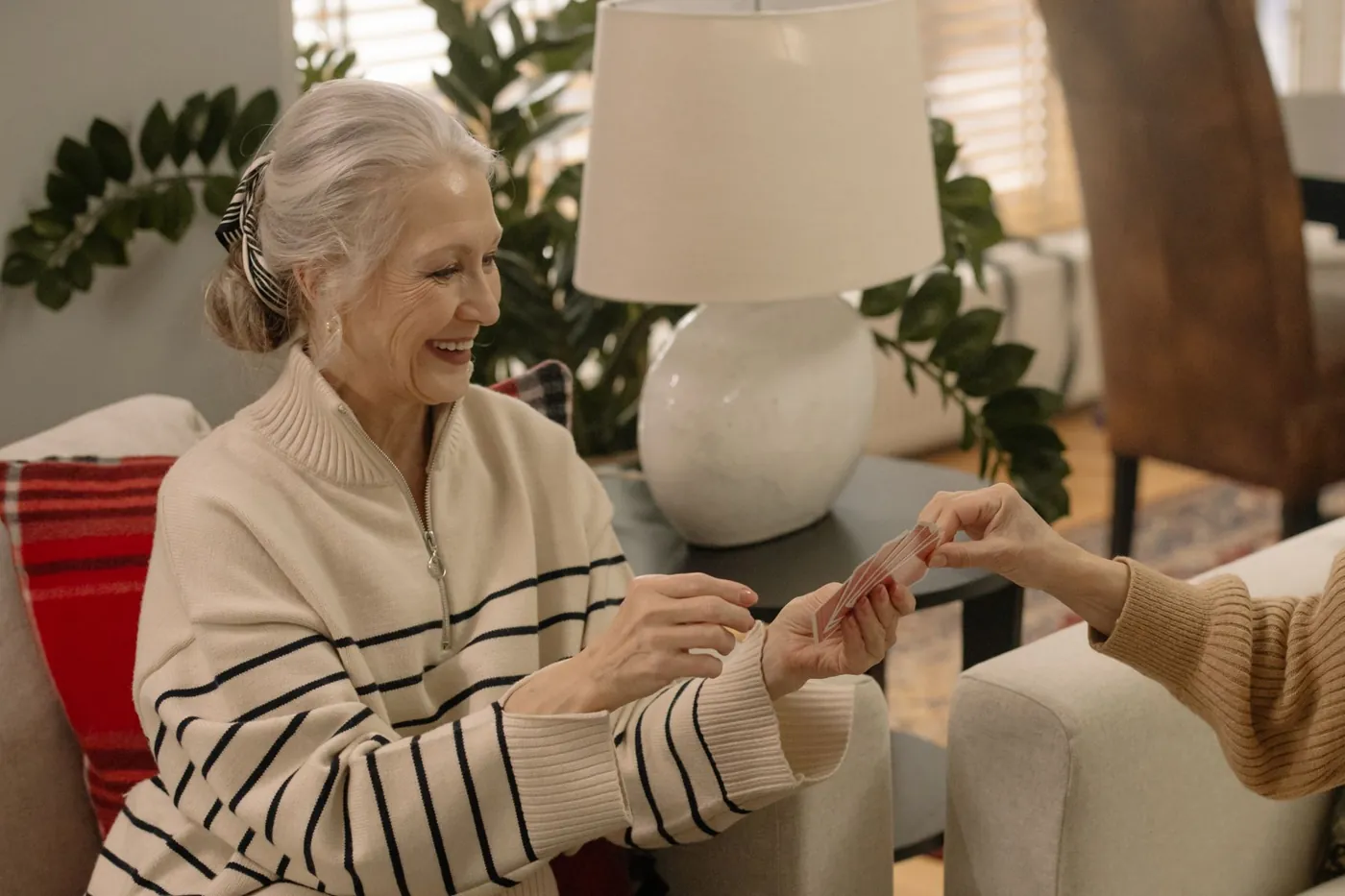
Nearly every caregiver feels guilty the first time they leave. It usually fades once they see their loved one relaxed and content with a familiar visitor. It can help to remember that the person you care for benefits from variety too: a new face, new conversation, a different game of cards. Respite is good for both of you.
When respite is not enough
Sometimes a few hours a week is not enough, and the household needs more regular help. That is worth discussing openly with your family and your loved one’s doctor. Non-medical help can grow over time, and if clinical needs arise, those belong with licensed medical providers. Our guide on choosing in-home care in Orange County can help with the next step. If your loved one is receiving hospice care, see our guide to non-medical comfort support during hospice.